If you’ve ever wondered how to choose a sleeping bag, you’re definitely not alone. A sleeping bag may look like a simple piece of gear, but in reality, it plays one of the biggest roles in how comfortable — or miserable — your night outdoors will be. The right bag keeps you warm, supported and relaxed; the wrong one can turn a peaceful camping trip into a restless battle against the cold.
In this guide, I’ll walk you through the essential things you need to know before buying a sleeping bag: temperature ratings, insulation types, shapes, sizes, weight, materials, weather protection, and all the small but important details that can make a big difference. My goal is to make everything easy to understand, practical, and genuinely helpful — whether this is your first sleeping bag or you’re upgrading to something better.
By the end of this post, you’ll know exactly how to choose a sleeping bag that fits your style, your adventures, and the way you sleep.
Start With Your Intended Use
Before comparing materials, temperature ratings, or fancy features, the most important step is understanding how and where you’ll actually use your sleeping bag. I always tell beginners to start with these three simple questions — they save you from spending too much or choosing a bag that’s totally wrong for your trips.
Where will you sleep?
Think about whether you’ll be inside a tent, under a tarp, in the mountains, or at a campsite near your car. Conditions change more than people expect, and the sleeping bag must match the environment.
What kind of temperatures do you expect?
Maybe it’s mild summer nights around +10°C, crisp spring mornings close to 0°C, or chilly high-altitude nights dipping below freezing. Your answer will directly determine the warmth level you need.
How often — and for how long — will you be using it?
A few casual summer weekends require a very different bag than a multi-day autumn mountain trip.
📌 Laura Tip: If you camp mostly in warm summer weather, you don’t need an expensive winter-rated sleeping bag. But if your adventures take you into mountains or shoulder seasons, always choose a slightly warmer bag rather than a colder one – a freezing night can ruin an otherwise amazing trip.
Understand Sleeping Bag Temperature Ratings (EN / ISO)
When you’re learning how to choose a sleeping bag, temperature rating is one of the most important things to understand. The warmth number printed on the bag isn’t random marketing – most quality brands follow the EN ISO 23537 standard (previously EN 13537), so you can compare different models more fairly.
For readers who want to dive deeper into how these temperature tests work, the EN ISO 23537 system is explained clearly on Wikipedia’s sleeping bag temperature standards page .In these tests, a “standard” man and woman are placed in a controlled environment, lying on a sleeping pad and wearing a thin base layer and a hat. From there, the lab measures how warm the bag keeps them and gives it several key values.
The three main temperature ratings you’ll see are:
- Comfort – the lowest temperature at which an average woman can sleep comfortably through the night.
- Limit – the lowest temperature at which an average man can sleep without feeling too cold.
- Extreme – a survival value only; this is the temperature where there is a serious risk of hypothermia. It’s not a number you should plan trips around.
For real-world use, I recommend treating Comfort as your main reference if you’re a cold sleeper, and Limit if you usually sleep warm or are more experienced with colder conditions. The Extreme value is there for safety information, not for choosing your bag.
📌 In simple terms:
Choose a sleeping bag with a Comfort or Limit rating a bit lower than the coldest temperatures you expect, especially if you’re unsure how your body reacts to cold or if you’re new to camping.
Sleeping Bag Temperature Ratings Explained
| Term | What it means in practice |
|---|---|
| Comfort |
Temperature at which an average woman can sleep comfortably all night.
👉 Use this if you tend to feel cold or want extra safety. |
| Limit |
Temperature at which an average man can sleep without waking from the cold.
👉 Use this if you usually sleep warm and have some experience in cooler conditions. |
| Extreme |
Survival rating only – the bag may keep you alive, but you won’t be comfortable.
👉 Never choose a sleeping bag based on the Extreme value. |
Down vs. Synthetic: Choose the Right Insulation
One of the biggest decisions when learning how to choose a sleeping bag is whether to go with down insulation or synthetic fill. Both have clear advantages — the right choice depends entirely on where you camp, how much weight matters to you, and how important moisture resistance is.
Down insulation (usually from duck or goose down) is loved by backpackers because it’s incredibly warm for its weight. These bags compress small, feel soft and cozy, and last for many years if cared for properly. The downside? Wet down loses its insulating power, so this type of sleeping bag requires good moisture management — things like a waterproof stuff sack, a dry tent, and careful storage.
Synthetic insulation, on the other hand, keeps you warmer when damp, dries faster, and usually costs less. It’s a great choice for beginners, casual campers, and anyone who often camps in humid or unpredictable weather. It is, however, bulkier and heavier than down, and the fibers slowly lose loft over the years.
If you’re unsure which way to go, think about your typical conditions: dry and cool weather favors down; damp climates or budget-friendly needs favor synthetic.
If you want to make sure the down in your sleeping bag comes from ethical and traceable sources, look for brands that follow the Responsible Down Standard (RDS), one of the most widely recognized certifications for humane and sustainable down production.
Down vs. Synthetic Insulation Comparison
| Feature | Down | Synthetic |
|---|---|---|
| Warmth-to-Weight | ⭐⭐⭐⭐ – excellent warmth with very low weight | ⭐⭐ – heavier for the same warmth |
| Performance in Moisture | ⭐ – loses warmth when wet | ⭐⭐⭐⭐ – insulates even when damp |
| Durability | ⭐⭐⭐⭐ – lasts for many years | ⭐⭐⭐ – fibers break down over time |
| Packability | Very compact, ideal for backpacking | Bulkier, takes more space |
| Price | 💲💲💲 – more expensive | 💲💲 – more affordable |
📌 Laura Tip: If you backpack in dry climates or care about weight, choose down. If you often deal with humidity, rain, or morning dew, synthetic insulation will keep you far more comfortable.
Choose the Right Sleeping Bag Shape
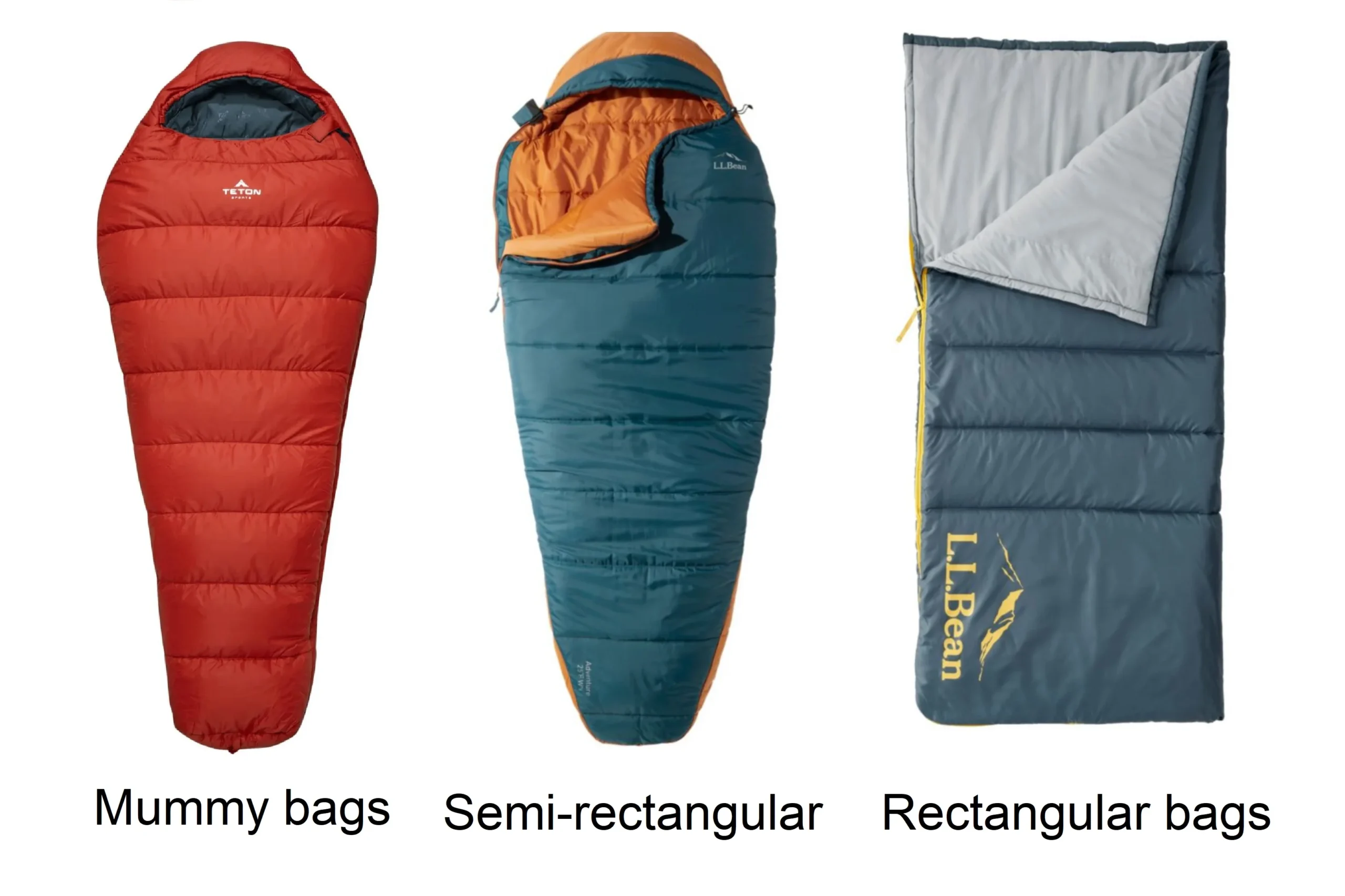
Sleeping bag shape plays a huge role in both warmth and comfort. Two bags with the same temperature rating can feel completely different depending on how they’re cut. Some people love the snug, warm feel of a mummy bag; others need more room to move their knees or turn during sleep.
Here are the four main shapes you’ll come across and who they work best for:
- Mummy bags
The classic backpacker’s choice: narrow at the feet, wider at the shoulders, and equipped with a hood. This shape maximizes warmth and minimizes weight because there’s less empty air for your body to warm up.
Best for: cold sleepers, backpackers, and anyone camping in chilly conditions. - Semi-rectangular / “spoon” shape
A slightly roomier cut with more knee and elbow space. These bags are great if mummy bags feel too tight or if you’re a side sleeper.
Best for: people who toss and turn, side sleepers, and moderate climates. - Rectangular bags
Spacious, comfortable, and great for warm-weather camping. They feel more like a normal blanket, but this extra space also makes them much less efficient in cold temperatures.
Best for: summer camping, car camping, and people who dislike tight fits. - Double bags
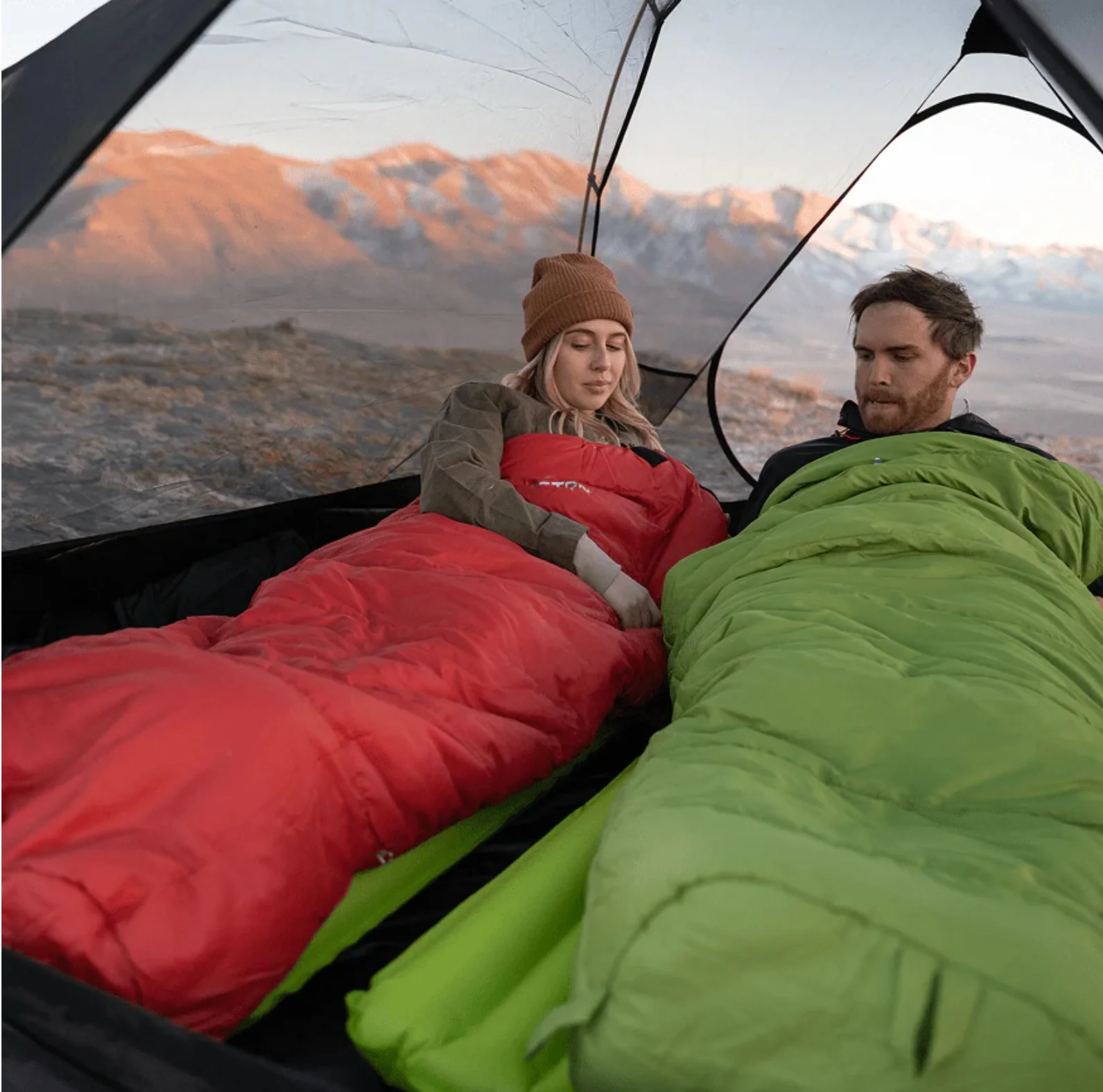
Designed for two people or for zipping two single bags together. Fun and cozy — as long as the temperature isn’t approaching freezing.
Best for: couples, car campers, warm climates.
If warmth is your priority, choose a shape that hugs the body. If comfort and freedom of movement matter more, go for a roomier cut — it’s your home away from home, after all.
Sleeping Bag Shapes Compared
| Shape | Characteristics | Best For |
|---|---|---|
| Mummy | Tapered design, includes a hood, most heat-efficient | Cold weather, backpacking, minimal weight |
| Semi-rectangular / Spoon | Extra knee and elbow room, better mobility | Side sleepers, restless sleepers, 3-season camping |
| Rectangular | Maximum space, blanket-like feel | Warm-weather camping, comfort-first trips |
| Double Bag | Fits two people or zips two singles together | Couples, car camping, mild climates |
📌 Laura Tip: If you’re unsure which shape to pick, think about how you sleep at home. Side sleepers almost always prefer semi-rectangular designs, while still sleepers usually love mummy bags for maximum warmth.
Pick the Correct Sleeping Bag Size & Length
Choosing the right size and length is one of the most overlooked parts of how to choose a sleeping bag, yet it has a massive impact on how warm you’ll feel at night. A sleeping bag that’s too long creates cold, empty space your body must heat up. A bag that’s too short will compress the insulation around your feet and shoulders — instantly making you colder.
Most brands offer sizes like:
- Short / Women’s – usually up to ~165 cm
- Regular – up to ~180 cm
- Long – up to ~200–210 cm
As a rule of thumb, your sleeping bag should be just a few centimeters longer than you are. Enough space so your feet don’t press against the end, but not so much that you’re heating unnecessary air.
If you’re a side sleeper or move around a lot, consider a slightly wider model or a semi-rectangular cut. It can make a huge difference in comfort without losing too much warmth.
The key idea? A sleeping bag should feel like a gently fitted cocoon — not tight, not oversized.
Sleeping Bag Size & Length Guide
| Size | Recommended Height | Best For |
|---|---|---|
| Short / Women’s | Up to ~165 cm (5’5″) | Smaller campers, compact fit, better heat efficiency |
| Regular | Up to ~180 cm (5’11”) | Most common choice for average-height backpackers |
| Long | Up to ~200–210 cm (6’6″) | Tall campers, or those who prefer extra foot space |
📌 Laura Tip: If you’re between two sizes, choose the smaller one for warmth — unless your feet normally touch the end of regular-length beds, in which case go Long to avoid cold spots.
Consider Weight & Packability
When you’re figuring out how to choose a sleeping bag, one of the biggest questions is whether weight matters for your adventures. For backpackers, every gram counts; for car campers, comfort often wins over compactness.
Down sleeping bags shine in this category — they pack down incredibly small and offer excellent warmth with minimal weight. If you hike long distances, climb mountains, or simply love lightweight gear, a down bag can feel like a luxury worth every penny.
Synthetic bags, while bulkier, are perfectly fine for casual camping trips. They weigh a bit more, but for campgrounds, cabins, or short hikes, a few extra grams won’t make a big difference.
Here’s a simple guideline I like to use:
- Summer backpacking: aim for under 1 kg
- Three-season trips: 1–1.5 kg
- Winter adventures: 1.5–2.5 kg
- Car camping: weight doesn’t really matter — comfort does
If your sleeping bag takes up too much space in your pack, everything else becomes harder to organize. The right balance is choosing a bag that fits your conditions without overwhelming your pack.
Recommended Weight & Pack Size by Trip Type
| Trip Type | Ideal Weight | Typical Pack Size |
|---|---|---|
| Summer Backpacking | Under 1 kg | Up to ~15 × 25 cm |
| 3-Season Backpacking | 1–1.5 kg | Up to ~18 × 30 cm |
| Winter Trips | 1.5–2.5 kg | Up to ~22 × 35 cm |
| Car Camping | Weight not important | Comfort-focused bags |
📌 Laura Tip: If you want to save space, use a compression sack — but avoid storing your sleeping bag compressed at home, as it reduces loft and warmth over time.
Pay Attention to Materials & Moisture Protection
When learning how to choose a sleeping bag, fabrics and moisture protection are just as important as insulation. Even the warmest bag won’t perform well if the outer shell absorbs moisture or the lining feels uncomfortable against your skin.
Outer shell (the fabric on the outside).
Most sleeping bags use nylon or polyester, often with a DWR (durable water repellent) coating. This helps prevent morning dew, condensation, or tent moisture from soaking into the fabric. Higher-end bags may use ripstop or weather-resistant weaves for extra durability.
Inner lining (the fabric inside the bag).
This should be breathable, soft, and gentle on your skin. Cheaper bags may feel plasticky, while quality ones feel silky and smooth. If you tend to overheat, choose a lining that feels cool and manages moisture well.
Hydrophobic down (for down bags).
Some modern down insulation is treated to resist moisture — a smart choice for humid climates or tents prone to condensation. It won’t make the bag waterproof, but it does buy you some time when conditions get damp.
In short: choose materials that protect against moisture, breathe well, and feel good to sleep in. Your tent is your home for the night — your sleeping bag is your bed.
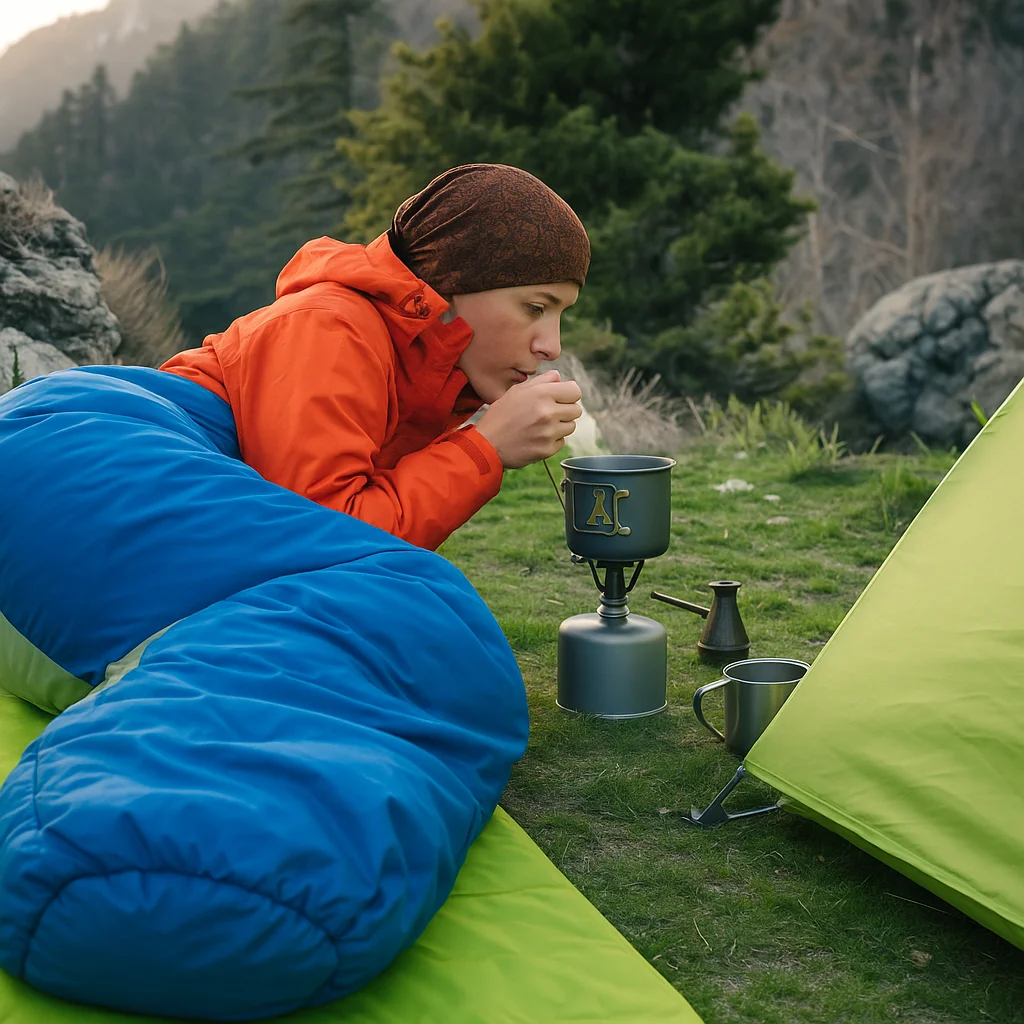
Sleeping Bag Materials & Moisture Protection
| Component | What to Look For |
|---|---|
| Outer Shell | Nylon or polyester with DWR coating, ripstop design for durability |
| Inner Lining | Soft, breathable, moisture-wicking fabric that feels comfortable on skin |
| Hydrophobic Down | Water-resistant down treatment for better performance in damp conditions |
| Synthetic Fill | Polyester fibers that retain warmth even when wet, faster drying |
📌 Laura Tip: Even with moisture-resistant fabrics, always pack your sleeping bag in a waterproof stuff sack. Morning condensation inside tents is more common than most beginners expect.
Learn Proper Sleeping Bag Care & Storage
A high-quality sleeping bag can last well over a decade — but only if you take good care of it. Many beginners focus only on how to choose a sleeping bag, but forget that proper maintenance is just as important for keeping the bag warm and efficient.
After every trip, make sure to air it out thoroughly. Moisture from breath, sweat, and morning condensation can stay trapped inside the insulation, slowly reducing its loft. I usually unzip my bag completely and hang it over a chair or a tree branch for an hour or two before packing it away.
When you’re home, never store your sleeping bag compressed. Long-term compression slowly breaks down both down and synthetic fibers. Instead, keep it in the large mesh sack that often comes with the bag — or store it loosely on a shelf or in a breathable cotton bag.
Washing should be done sparingly. Down bags especially need delicate care, ideally with specialized detergents (or even professionally). Synthetic bags are easier to wash, but still avoid over-washing — it can reduce loft over time.
Good care keeps your sleeping bag soft, lofty, and warm for years to come. Think of it as taking care of your favorite winter blanket — with just a little attention, it pays you back with many cozy nights outdoors.
Sleeping Bag Care & Storage Tips
| Action | Why It Matters |
|---|---|
| Air out after every trip | Removes moisture, prevents odors, helps insulation stay fluffy |
| Store loosely (not compressed) | Extends lifespan and preserves loft/warmth |
| Wash sparingly | Too much washing can damage insulation |
| Use gentle detergents | Maintains down and synthetic fibers, avoids clumping |
📌 Laura Tip: Always shake your sleeping bag gently before bedtime. It helps the insulation loft up after being packed and gives you noticeably more warmth.
Look for Practical Extra Features
Once you understand insulation, size, weight, and temperature ratings, the next step in how to choose a sleeping bag is paying attention to the small features that can make your nights outdoors a lot more comfortable. These details may seem minor, but trust me — on the trail, they make a big difference.
Here are the extras worth looking for:
- Hood
A well-shaped hood helps trap heat around your head and neck, which are major heat-loss areas. On cold nights, this can be the difference between cozy and shivering. - Draft collar/draft tube
These padded sections prevent cold air from sneaking in through the zipper. A must-have for cooler climates. - Two-way zipper
Lets you ventilate the foot area without opening the whole bag — great for warm summer nights. - Right-zip / left-zip options
Useful if you plan to zip two bags together; one needs to be right-zipped and the other left-zipped. - Inner pocket
Handy for storing your phone, headlamp, or earplugs where you can reach them easily. - Pillow pocket
Some bags include a sleeve for your camping pillow (or a bundled-up jacket). This keeps your pillow from sliding away in the middle of the night. - Sleeping bag liner compatibility
A liner adds warmth, keeps your bag clean, and gives you a versatile setup for warm and cold nights.
These features aren’t just gimmicks — they genuinely improve comfort, warmth, and convenience, especially when conditions change.
Useful Sleeping Bag Features & Why They Matter
| Feature | Why It Helps |
|---|---|
| Hood | Keeps head warm, reduces heat loss in cold weather |
| Draft Collar / Draft Tube | Blocks cold air from entering through zippers |
| Two-Way Zipper | Allows ventilation in warm climates |
| Inner Pocket | Secure place for phone or headlamp |
| Pillow Pocket | Prevents pillow from slipping while sleeping |
| Left/Right Zipper Options | Lets you zip two sleeping bags together |
📌 Laura Tip: If you often camp with your partner, check if your sleeping bags are compatible for zipping together — it’s a cozy upgrade for chilly nights.
Match Your Sleeping Bag to Your Camping Style
Now that you understand warmth, insulation, shape, size, and features, it’s time to bring everything together. One of the most helpful parts of learning how to choose a sleeping bag is understanding which type fits your specific camping habits.
Here are the most common camper profiles — and the bags that work best for each:
- Warm-weather summer camper
You mainly camp on mild nights above +10°C. You want something breathable, lightweight, and affordable.
Best choice: synthetic bag with a Comfort rating around +10°C. - 3-season backpacker
You hike from spring through fall and need reliable warmth even when temperatures approach freezing.
Best choice: high-quality down or premium synthetic, Comfort around 0°C. - Winter camper or mountain hiker
You sleep in sub-zero temperatures or high-altitude conditions, where warmth is non-negotiable.
Best choice: down bag with Comfort –10°C or lower. - Car camper or family camper
You care more about space and comfort than packability.
Best choice: roomy rectangular or semi-rectangular bag.
Choosing the right sleeping bag is about matching the tool to the adventure. When the temperature drops and the night grows quiet, you’ll be thankful for choosing a bag that fits your style perfectly.
Best Sleeping Bag Type for Different Camping Styles
| Camper Type | Recommended Bag |
|---|---|
| Summer Camper | Synthetic bag, Comfort +10°C |
| 3-Season Backpacker | Down or premium synthetic, Comfort 0°C |
| Winter / Mountain Camper | Down bag, Comfort –10°C or lower |
| Car / Family Camper | Rectangular or semi-rectangular bag |
📌 Laura Tip: When in doubt, choose a slightly warmer sleeping bag. You can always unzip it in warm weather — but there’s no easy fix for being too cold in the middle of the night.
Prepare for Real-World Conditions (Not Just the Label)
Even the best temperature rating or insulation type doesn’t tell the full story. Real nights outdoors are full of variables — wind, humidity, your sleeping pad, what you ate, how tired you are, and even your mood can affect how warm or cold you feel. So when thinking about how to choose a sleeping bag, remember to plan for real-world conditions, not just the specification tag.
Here are factors that change how warm you’ll feel:
- Your sleeping pad matters just as much as your bag.
A warm sleeping bag paired with a low-R-value pad will still feel cold because heat escapes into the ground. - Wind and tent ventilation.
Drafty tents or poorly closed vents can make nights significantly colder. - Your own body.
Some people naturally run hot; others get cold even in mild temperatures. - Altitude.
High mountain campsites feel colder than their actual measured temperature. - Fatigue, dehydration, and hunger.
Your body produces less heat when you’re tired or haven’t eaten enough.
This is why most experienced hikers (myself included) choose a sleeping bag that’s a bit warmer than they think they’ll need. It adds a layer of confidence and comfort for unexpected drops in temperature.
Choosing a sleeping bag is not about guessing — it’s about preparing. With the right bag, even a frosty morning can feel magical instead of miserable.
Real-World Factors That Affect Warmth
| Factor | How It Affects You |
|---|---|
| Sleeping Pad R-Value | Low insulation = heat loss to the ground, even with a warm bag |
| Humidity / Condensation | Damp air makes your bag feel colder and reduces loft |
| Wind Inside Tent | Can lower effective temperature quickly if vents are open |
| Altitude | High elevations feel colder due to thinner air |
| Your Condition | Tired, hungry, or dehydrated hikers feel colder |
📌 Laura Tip: Never rely on the Extreme rating. Always choose your bag based on the Comfort or Limit rating, then add a 5–10°C safety margin for unpredictable weather.
Final Thoughts: Choose Your Sleeping Bag with Confidence
Choosing the right sleeping bag doesn’t have to be overwhelming. Once you understand temperature ratings, insulation types, weight, size, and the small details that boost comfort, everything starts to click into place. Think of your sleeping bag as your personal nighttime shelter — the part of your gear that keeps you warm, safe, and rested for the next day’s adventures.
If you’re a warm-weather camper, go for light and breathable. If you hike three seasons, choose a sleeping bag with a reliable Comfort or Limit rating near freezing. And if winter mountains call your name, invest in a high-quality down bag built for real cold. Match the bag to your conditions, your sleeping style, and how much weight you’re willing to carry — that’s when the magic happens.
Most importantly, don’t underestimate warmth. A slightly warmer bag is almost always the safer, more comfortable choice, especially for beginners.
If you want to explore more camping essentials and build your full sleep system, check out our detailed guide below — it’ll help you take the next confident step toward your perfect night outdoors.
👉 Looking for even more outdoor essentials? Check out our guide: 7 Best Camping Gear for Beginners in 2025 — packed with must-have equipment for getting started.
Disclosure: This post contains affiliate links. If you make a purchase through them, we may earn a small commission – at no extra cost to you. Thank you for supporting our work!

Hike-wise. Pack light. Choose a gear you can count on.
See you out there under the stars.